

A targeted vaccination strategy: Integrating vaccines into biosafety, biosecurity, and one health initiatives
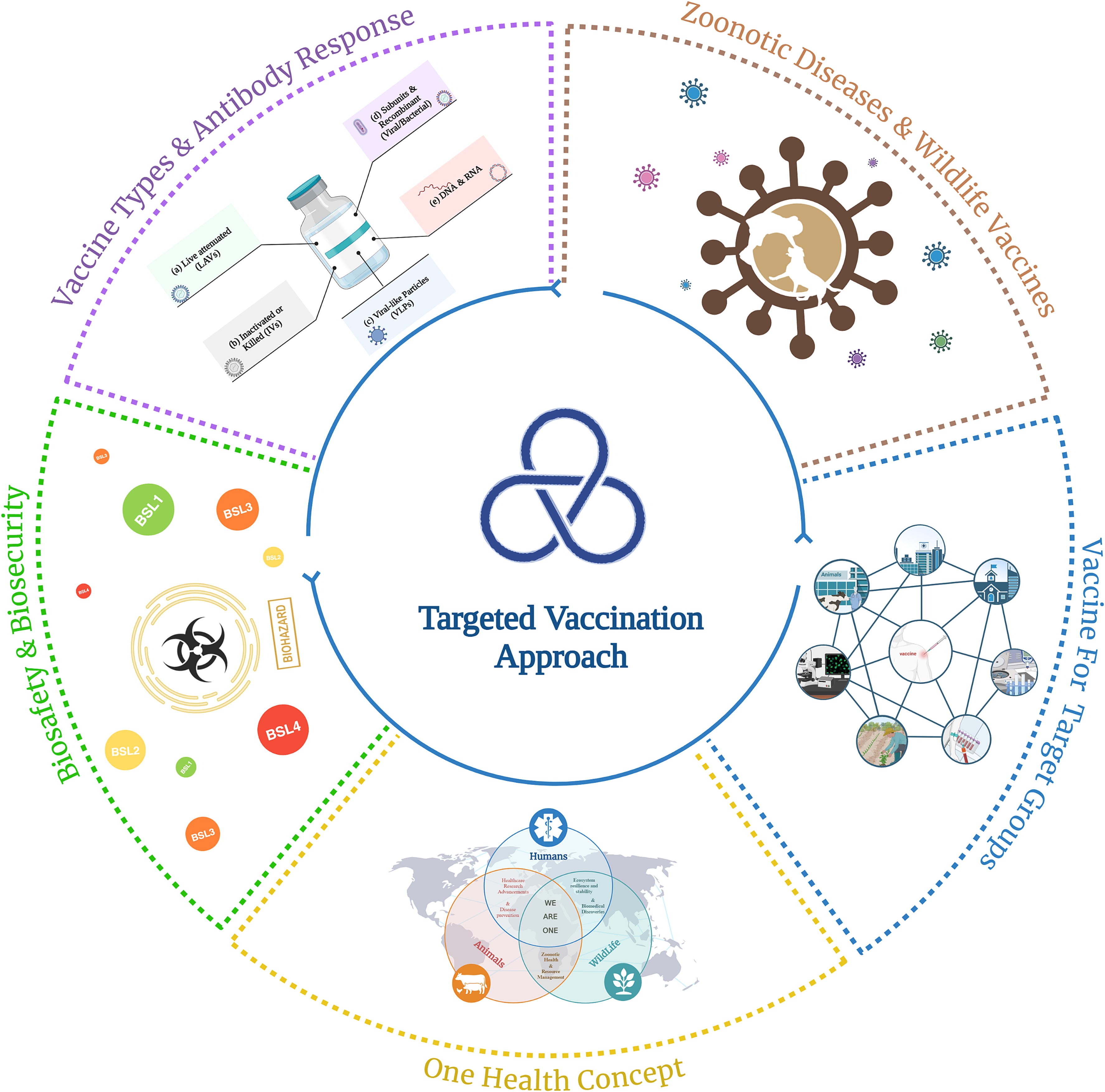
KEY TOPICS IN THIS ARTICLE, INCLUDING VACCINE TYPES, ANTIBODY RESPONSES, VACCINE TARGET GROUPS, BIOSAFETY AND BIOSECURITY, THE ONE HEALTH CONCEPT, AND ZOONOTIC DISEASE AND WILDLIFE VACCINES.
GA, UNITED STATES, June 17, 2026 /EINPresswire.com/ -- Vaccination has saved millions of lives and is regarded as one of modern medicine's most important successes. Effective vaccination programs should be based on risk assessment that considers demographic and occupational factors. When developing a vaccination program, it is essential to identify the target groups, including travelers, infants, high-risk workers, and those in critical roles such as farming and agriculture. In biosafety and biosecurity, vaccines are a key component of measures designed to protect laboratory personnel, the community, and the environment. Guidelines from global health organizations such as the Centers for Disease Control and Prevention are tailored to specific pathogens and depend on the type of work performed and the associated risk. These guidelines are continuously revised and updated to ensure the effectiveness of vaccination programs. Vaccines also play a role in One Health approaches that are focused on the interconnectedness of animals, humans, and the environment. Targeted vaccination strategies for both domestic animals and wildlife are necessary to maintain animal health, improve livestock productivity, and prevent the spread of zoonotic and foodborne diseases to humans. In this paper, we aimed to provide an overview regarding the crucial roles of vaccines in biosafety, biosecurity, and One Health approaches, as well as to highlight the importance of targeted and personalized strategies to improve the effectiveness of vaccination programs. Herein, we also discuss various vaccines aimed at specific target groups as recommended by global health organizations, with a particular emphasis on laboratory workers and the vaccines necessary to reduce laboratory-acquired infections. Finally, we discuss animal vaccines and targeted strategies for vaccinating domestic and wildlife populations.
Biosafety prevents biohazard risks to humans and the environment, biosecurity protects biological assets from misuse, and One Health is an interdisciplinary framework uniting human, animal, and environmental health—all core to global health protection. A review published in the Journal of Biosafety and Biosecurity analyzed vaccines' roles across these domains, advocates tailored strategies for high-risk groups, addresses laboratory biosafety and zoonotic disease control, and stresses personalized, updated vaccination policies.
Modern vaccine platforms include live attenuated, inactivated, subunit, recombinant, and virus-like particle vaccines, each triggering distinct immune responses. Nucleic acid (DNA/RNA) vaccines enable rapid, cost-effective production, as seen in COVID-19 vaccines, and rely on delivery systems like nanoparticles. Vaccination stimulates innate and adaptive immunity, generating antibody responses and immunological memory; antibody persistence varies by vaccine, with boosters needed to sustain protection. Herd immunity, achieved via mass vaccination, suppresses disease spread, while correlates of protection (CoPs) guide vaccine efficacy evaluation and development.
Targeted vaccination prioritizes high-risk occupational groups: healthcare and laboratory staff, agricultural workers, and travelers to endemic regions. Global vaccine coverage remains low for some vaccines, hindered by cost, logistics, and vaccine hesitancy. Age-specific and occupation-specific immunization, supported by workplace reminders and engagement, improves coverage and outbreak control.
Vaccines are integral to biosafety and biosecurity. Tailored vaccination for laboratory staff reduces laboratory-acquired infections (LAIs) from pathogens like Brucella and hepatitis B. Biosafety levels (BSL1–4) categorize lab risk, with vaccination mandatory for BSL2–4 personnel. LAIs occur via inoculation, inhalation, ingestion, or mucosal contact; underreporting complicates surveillance, though vaccines drastically lower infection risk. Many high-risk pathogens lack licensed vaccines or clear guidelines, demanding accelerated development and updated protocols. Vaccines also strengthen biosecurity by preventing livestock outbreaks and bioterrorism risks.
In particular, One Health addresses zoonotic diseases, which cause millions of illnesses and deaths annually by spreading between animals and humans. Veterinary vaccines protect livestock, safeguard endangered species (e.g., rabies vaccination for wildlife), and block zoonotic transmission. Targeted animal vaccination achieves herd immunity, culls infected animals, and immunizes pregnant individuals to protect offspring. International collaboration—such as the PREDICT Project and global rabies vaccine funding—enhances surveillance and control of zoonotic diseases.
In conclusion, vaccines are indispensable to global health, requiring risk-, occupation-, and demographic-tailored strategies. They protect laboratory staff, prevent LAIs, control zoonotic diseases via One Health, and secure livestock and human populations. Gaps in vaccine access and guidelines persist, calling for sustained research, policy updates, and international cooperation to strengthen prevention and protect public health.
References
DOI
10.1016/j.jobb.2024.10.002
Original Source URL
https://doi.org/10.1016/j.jobb.2024.10.002
Lucy Wang
BioDesign Research
email us here
Legal Disclaimer:
EIN Presswire provides this news content "as is" without warranty of any kind. We do not accept any responsibility or liability for the accuracy, content, images, videos, licenses, completeness, legality, or reliability of the information contained in this article. If you have any complaints or copyright issues related to this article, kindly contact the author above.
